
Odisha’s roar gets louder & the world is listening
The state's core, Similipal, has thundered to the world with a tale of endurance, rebirth, and uncommon beauty.

On the World Tiger Day that fell on 29th July, Odisha’s forests echoes not only with the sound of rustling leaves or birdsong, but with the quiet victory of the wild. The state’s core, Similipal, has thundered to the world with a tale of endurance, rebirth, and uncommon beauty.
Merely a day after Similipal was formally declared a national park under the Wildlife (Protection) Act, 1972, reports arrived that fanned hope for wildlife buffs and conservationists alike. Odisha has seen a sharp rise to its Royal Bengal tiger population, owing to years of ceaseless efforts, strategic conservation, and the quiet commitment of its forest protectors.
As per the latest camera trap survey, Similipal now homes 40 Royal Bengal tigers, six of whom are energetic cubs who are the promise of the future generation. This is a steep increase from Odisha’s first exclusive tiger census in 2024, where 27 adult tigers and 8 cubs were counted. These new numbers are not mere figures; they are milestones in a process where each pawprint is one step closer to an ecological balance.
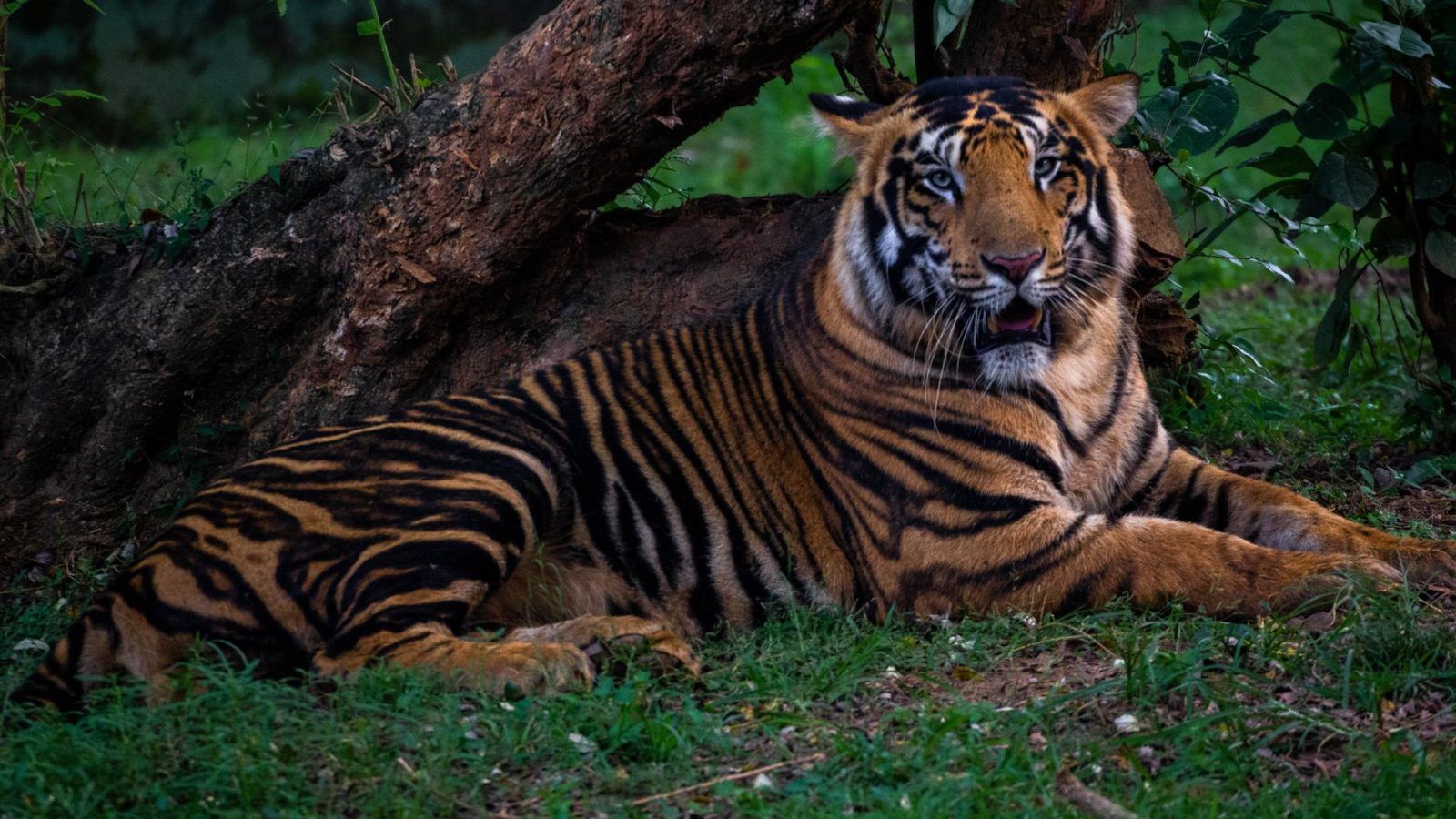
Among these great big cats, what makes Similipal stand out from all the other tiger reserves on the planet is its gorgeous population of melanistic tigers colloquially referred to as black tigers. With their enigmatic, shadowy coats, these genetic wonders exist nowhere else on the planet. The park is presently inhabited by 18 of these magical animals, nine males and nine females, reigning silently over the dense sal and bamboo forests as ghosts of legend. Not only is their presence a visual treat—it is a pointer to Similipal’s distinctiveness and Odisha’s priceless ecological riches.
The new crop of tigers, many born to legendary tigresses such as Zeenat and Yamuna, is a testament to the success of breeding programs and the unrelenting watchfulness of the forest department. The latest technology such as camera traps, round-the-clock patrolling, and satellite monitoring have spun an invisible coat of protection around these elusive predators. But above technology, it is the sweat and determination of boots-on-the-ground staff, those who trek the forest trails day and night, who have made this moment possible.
Odisha is now setting its sights higher. With an ambitious goal to boost the tiger count to 100 in the next decade, plans are underway to strengthen habitat corridors, curb poaching, and deepen community involvement. The forest, after all, is not just home to wildlife, it is a shared space, a living legacy.
As the world focuses on tiger conservation, Similipal is not only a refuge of unique genetics and increasing numbers but also a symbol of what one can do with perseverance when it comes to conservation. Hiding in the striped depths of these forests is a future that is defiant, untamed, and deeply embedded in hope.
