
Threads of Devotion and Valor: Odisha’s Gamha Purnima
Throughout India, this day is beloved as Raksha Bandhan, a celebration which celebrates the divine bond of brothers and sisters.

The day of the Hindu month of Sawan when the full moon rises is one when bonds, customs, and commitment blend together in colourful celebration. Throughout India, this day is beloved as Raksha Bandhan, a celebration which celebrates the divine bond of brothers and sisters. Sisters affix the token rakhi on their brothers’ wrists, wishing them well, while the brothers vow to protect them for the rest of their lives and present gifts. But in Odisha, this day has a deeper spiritual significance, as it falls on Gamha Purnima the grand birthday festival of Lord Balabhadra, the elder brother of Lord Jagannath and Devi Subhadra, as the god of agriculture.
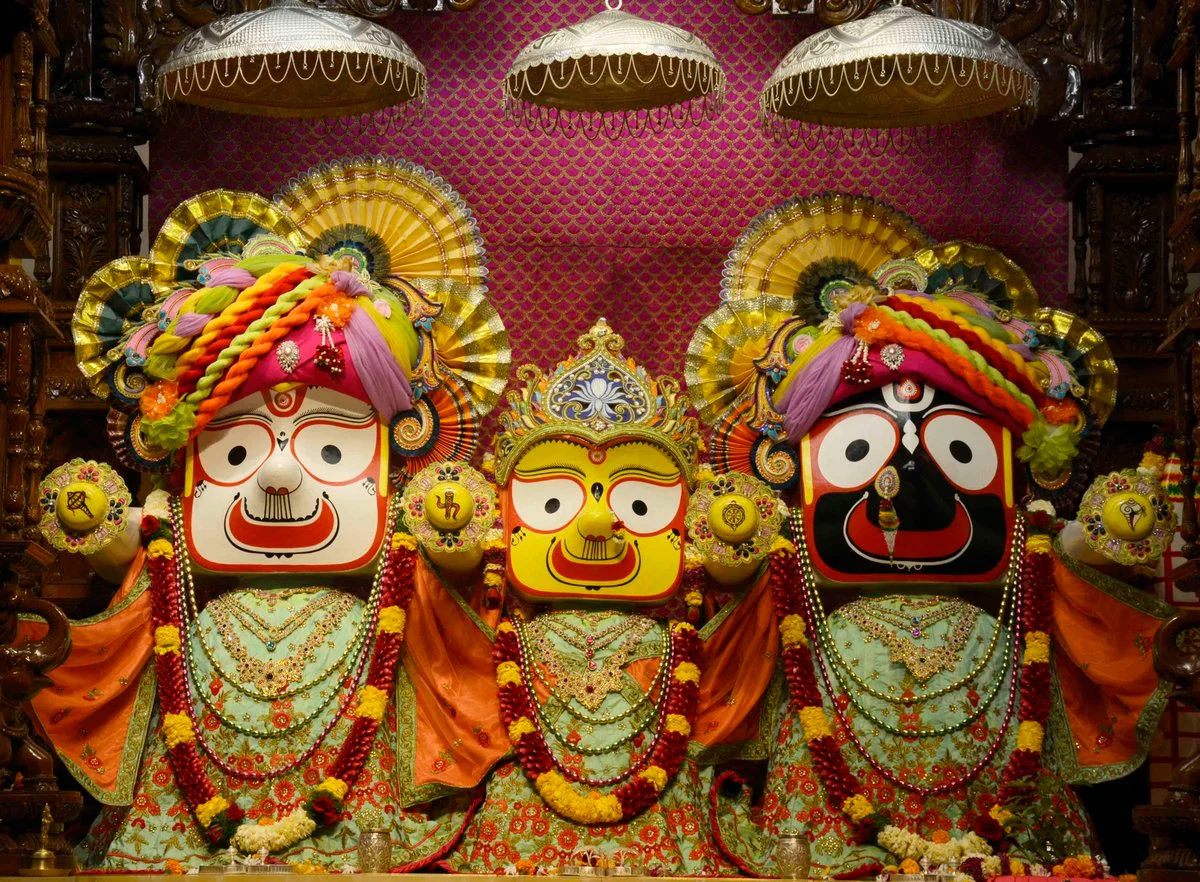
The festival is celebrated in grandeur at the sacred Srimandir in Puri. The six gods, Lord Jagannath, Lord Balabhadra, Devi Subhadra, Lord Sudarshan, Bhudevi, and Sridevi, are dressed in sparkling golden ornaments, radiating heavenly luster. A special ritual is the hallmark of the day as Devi Subhadra applies rakhi to her brothers. The rakhis themselves are special, being made only by a chosen team of servitors called Patara Bisoi. Their hues utter devotion—red and yellow for Lord Jagannath, blue and violet for Lord Balabhadra.
Outside temple precincts, in Odisha’s countryside, festivities spread far and wide. For the tillers of the soil, Lord Balabhadra’s birth anniversary is a day of thanksgiving and optimism. The wooden plough (Langala), his weapon, is revered. Prayers are offered, whispers uttered, and a bountiful harvest is sought in return. This day also rekindles Odisha’s martial culture, for in the past, Paikas, soldiers of the earth, would start their new cycle of fighting practice on Gamha Purnima.
To the day is also added the light-heartedness of traditional sport Gamha Dian, a heart-pumping jump for triumph. In rural areas, young men and women sit to construct towering pedestals of sand, stone, and straw, placing on top bamboo poles with a rope strung across. Prizes hang enticingly on the rope, and contestants have to shout out their selected gift before breaking into a bold charge and leap to retrieve it. The air is filled with shouts as the village laughs, competes, and rejoices together. Unfortunately, this lively custom is disappearing, as contemporary distractions lure younger people away from such shared activities.
Gamha Purnima, then, is not a festival alone, but a union of love, devotion, agricultural appreciation, and warlike pride. It connects the sacred tie of siblings, the agriculturist’s love for earth, the soldier’s mettle, and the public’s shared happiness. At the core of Odisha, this day is a golden strand in the fabric of culture, where even as years come and go, the spirit of togetherness and respect remains.
