
The Sacred Observance of Putrada Ekadashi: A Day of Devotion and Blessings
Revered by countless devotees, this day holds a special significance for those yearning for progeny and spiritual upliftment.

Today marks the auspicious occasion of Putrada Ekadashi, observed on the eleventh day of the waxing phase of the moon in the holy month of Shravana. Revered by countless devotees, this day holds a special significance for those yearning for progeny and spiritual upliftment. The term “Putrada” literally means “giver of sons,” and thus, this Ekadashi is especially important for childless couples who undertake the fast with utmost devotion in the hope of being blessed with a child.
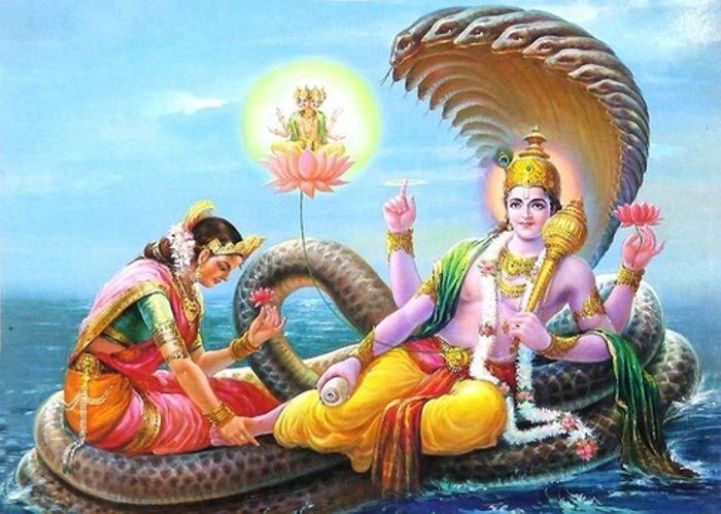
Celebrated twice a year—once in the month of Shravana and again in Pausha—Putrada Ekadashi is also known as Pavitropana Ekadashi or Pavitra Ekadashi, emphasizing the purity and sanctity associated with the day. Devotees rise early, cleanse themselves physically and spiritually, and offer prayers and naivedya (sacred offerings) to Lord Vishnu. Fasting is an essential part of the observance, with many choosing to abstain from all forms of food throughout the day. Lighting a lamp and chanting the name of Vishnu with deep faith is believed to bring peace, prosperity, and above all, the boon of children.
The spiritual depth of Putrada Ekadashi is best illustrated through an ancient legend associated with King Mahijit of Mahishmati. A righteous and benevolent ruler, King Mahijit was much loved by his subjects, and his kingdom flourished under his care. However, despite his devotion and noble deeds, he remained childless—a sorrow that weighed heavily upon him. Distressed by their beloved king’s suffering, the people of his kingdom, led by learned Brahmins, ventured deep into the forest to seek divine guidance.
There, they encountered the wise sage Lomasha, known for his vast knowledge and spiritual insight. Moved by their dedication, the sage revealed the karmic cause of the king’s misfortune. In a previous life, the king had been a merchant who, in a moment of selfishness, drove away a thirsty cow and her calf from a water body, prioritizing his own thirst. This seemingly small act had resulted in his current state of childlessness. However, Lomasha assured the seekers that redemption was possible.
The sage advised the people to observe Putrada Ekadashi with unwavering devotion and to dedicate the accrued merit to the king. Honoring his words, the people of Mahishmati observed the fast with great reverence and offered the spiritual benefits to their king. As a result, King Mahijit was blessed with a son, and the shadow of sorrow lifted from his life.
This poignant tale continues to inspire devotees to this day. Putrada Ekadashi is not merely a ritualistic observance—it is a testament to the power of collective faith, repentance, and the boundless compassion of the divine. It is a day where devotion meets redemption, and where the heartfelt prayers of many can alter the fate of one. Through sincere worship and self-discipline, devotees seek not only worldly blessings but also the eternal grace of Lord Vishnu.
