
Sacred Solitude of Luha Khambeswara Temple in Gajapati
This otherworldly temple, some 27 km from R. Udayagiri and roughly 82 km from Paralakhemundi town in Odisha's Gajapati district, is not merely a temple, it is a spiritual pilgrimage, one of patience and faith.

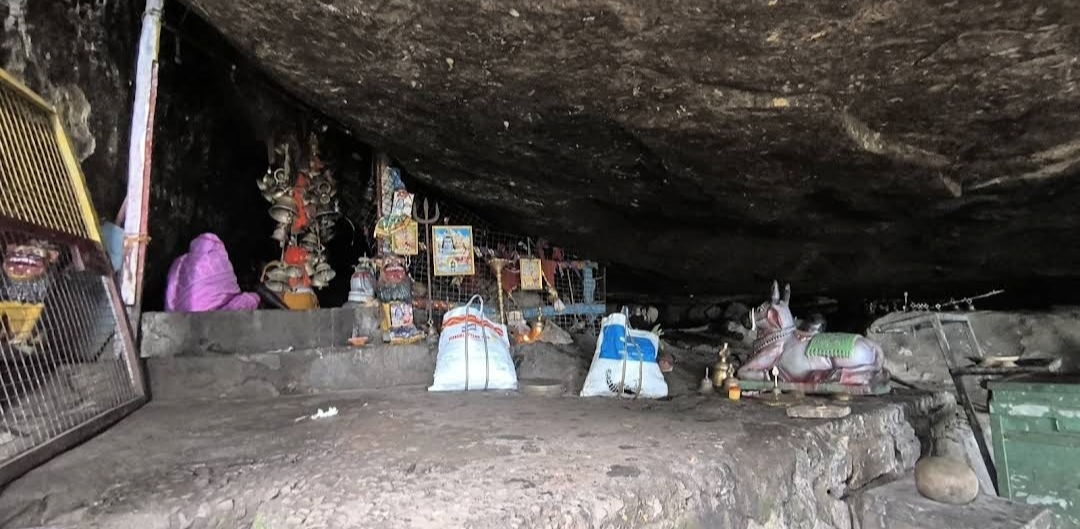
Situated in the dense, untrodden tranquility of the Eastern Ghats, the Luha Khambeswara Shiva Temple remains respectfully nestled within a natural cave atop Luhakhamba Mountain. This otherworldly temple, some 27 km from R. Udayagiri and roughly 82 km from Paralakhemundi town in Odisha’s Gajapati district, is not merely a temple, it is a spiritual pilgrimage, one of patience and faith.
The pilgrimage to Luha Khamba is not an easier one. Pilgrims have to climb a steep, serpentine path, walking almost 6 to 7 kilometres through dense woods and rocky outcrops. Yet it is precisely this climbing that creates a spiritual bond between the believer and the divine. Every step higher is accompanied by a deepening sense of peace, a feeling of being gradually enveloped in something far older and stronger than oneself.
The presiding deity, Lord Shiva, is revered here in an odd and symbolic manifestation, an incarnation of iron. Therefore, he is respectfully known as Luha Khambeswara, where “Luhakhamba” is translated to “Iron Pillar” in Odia. The very name is a metaphor for strength, ruggedness, and eternity, and the idol of iron personifies the obdurate nature of Shiva. It is a simple and modest shrine made of iron and local stone, easily integrating into its cave environment and the overhead natural canopy of trees.
What is particularly unique about this temple is the manner in which it unites tribal belief with Shaivite tradition. Here, worship transcends ritual practice. Ceremonies tend to overflow outside of the cave, carried out in open areas beneath sacred trees where nature herself becomes involved in prayer. Leaves, flowers, fire, and wind all become offerings in this divine landscape.
Karthika Purnima, the full moon night during the sacred month of Kartik, sends a wave of energy to the otherwise peaceful peak. On this special night, the temple observes a throng of pilgrims from all over the region who ascend the mountain to see and take part in the spectacular celebration. Drums resound through the hills, incense smoke curls up into the cold mountain atmosphere, and chants reverberate across the sky, infusing the whole landscape with piety.
Though its humble looks and isolated setting do not suggest otherwise, the Luha Khambeswara Temple is a central part of the cultural and religious fabric of Gajapati district. It is not presented here as an imposing monument of wealth or one of masterful architecture, but as a potent symbol of uncultivated, unadulterated faith, a solemn mountain retreat where the iron pillar of belief still stands upright through the ages.
How to reach?
By bus: The nearest Bus stop is R Udaygiri, which is located around 28 KM distance from Luhakhamba Temple.
By train: The nearest station is Paralakhemundi, which is located around 82 KM distance from Luhakhamba Mandir.
By air: The nearest airport is Biju Patnaik International Airport in Bhubaneswar which is located around 275 KM distance from Luhakhamba Mandir.
