
The Significance of Margasira Month Thursdays in Odisha
For countless Odia households, especially those rooted in centuries-old tradition, the Thursdays of Margasira are not just dates on a calendar.

As winter settles gently over Odisha, the arrival of Margasira month brings with it a uniquely serene spiritual rhythm. For countless Odia households, especially those rooted in centuries-old tradition, the Thursdays of Margasira are not just dates on a calendar, they are days of devotion, gratitude, and divine feminine celebration. These sacred Thursdays, known as Manabasa Gurubar, illuminate homes with the warmth of faith and the fragrance of ancestral customs.
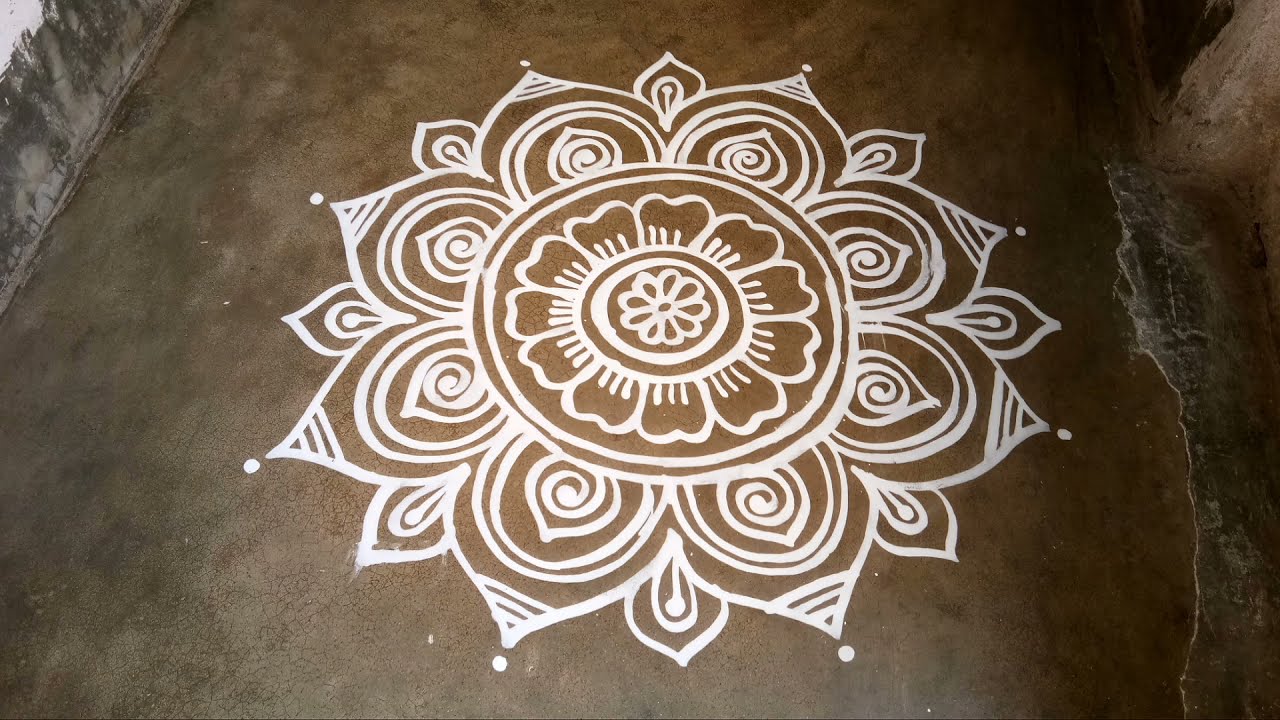
At the heart of this observance is the worship of Goddess Lakshmi, the harbinger of prosperity, purity, and well-being. But in Odisha, Lakshmi is not just the goddess of wealth, she is the benevolent mother who steps into the household only when cleanliness, compassion and harmony reside within. According to Odia folklore and the beloved Lakshmi Purana, the goddess rewards devotion rooted not in grandeur, but in simplicity and moral integrity. The rituals of Manabasa Gurubar reflect this belief: women meticulously clean their homes, decorate doorsteps and courtyards with jhoti–chita motifs, and prepare traditional offerings like khiri, atakali, pitha using freshly harvested rice flour.
The visual beauty of the day is unmistakable. From dawn, the earth itself becomes a canvas. White rice paste designs blossom into lotus petals, conch patterns, and Lakshmi’s footprints, symbolising the goddess walking into the home. The rituals are often accompanied by melodious kirtans, readings from the Lakshmi Purana, and the gentle ambience of a home ready to welcome divine grace.
Beyond its spiritual importance, Margasira Gurubar carries deep social and cultural meaning. The Lakshmi Purana is one of Odisha’s earliest texts advocating equality and condemning caste-based discrimination. Through the narrative of Goddess Lakshmi visiting the home of a woman from a marginalised community, it champions dignity, inclusiveness, and the idea that devotion is measured by purity of heart, values that continue to resonate powerfully today. In many ways, every Margasira Thursday becomes a quiet reaffirmation of this Odia ethos.
The month also marks the period of harvest. As the granaries fill and households feel the reassurance of abundance, Manabasa Gurubar becomes a festival of gratitude. Families come together to honour the cycles of nature, the labour of farmers, and the blessings that sustain everyday life. This harmony between the spiritual and the agrarian is what makes the observance uniquely Odia, deeply rooted in the land and its people.
Even in a modern, fast-paced world, the Thursdays of Margasira retain their charm. Whether in small villages or bustling cities, women continue to uphold the rituals with pride, a gentle reminder that tradition can be both grounding and empowering. With each lampshade lit, each chita drawn, and each mantra recited, Margasira’s Thursdays keep alive a timeless celebration of purity, prosperity, and the divine feminine.
In Odisha, the month is more than a ritual, it is an emotion, a heritage, and a quiet festival inside the heart. And as long as the white strokes of jhoti–chita continue to bloom on winter mornings, the glow of Manabasa Gurubar will remain eternal.
