
Kamika Ekadashi: The Sacred Day of Redemption and Divine Grace
Known as Chakrabula Ekadashi in the revered shrine of Puri’s Srimandir, this day is steeped in spiritual significance, sacred rituals, and mythological tales that echo the essence of divine mercy and the power of penance.

Among the 24 Ekadashis celebrated throughout the year, the Kamika Ekadashi, observed during the Krishna Paksha of Shravan month, holds a special place in the hearts of devotees. Known as Chakrabula Ekadashi in the revered shrine of Puri’s Srimandir, this day is steeped in spiritual significance, sacred rituals, and mythological tales that echo the essence of divine mercy and the power of penance.
It is said that simply saying the words “Kamika Ekadashi” grants a person the merit of performing an elaborate Vajapeya Yajna. Devotees worship Lord Vishnu on this day—referred to in his various forms as Sridhar, Madhav, Hari, and Madhusudan. The pujas done are so efficacious that the blessings acquired surpass even those acquired by severe penance at sacred places such as the Ganga, Kashi, Naimisharanya, or Pushkar. Presenting Tulsi flowers and lighting lamps in devotion during the entire night absolves even the most serious of sins, as Lord Vishnu takes extreme delight in such acts of devotion.
A touching myth connected with this Ekadashi discloses its redeeming aspect. There was a wealthy merchant and a Brahmin who were neighbors in a village but had an embittered rivalry. In a fit of anger, the merchant went and did something unimaginable—he murdered the Brahmin. Guilty, the merchant wanted to expiate his sin, but his remorse was rebuffed by the Brahmin people. Nobody accepted his offer to carry out the last rites. Bewildered and seeking redemption desperately, he roamed looking for guidance until he met a sage who told him to follow the Kamika Ekadashi fast devotionally. Having followed the instructions with implicit faith, the merchant achieved peace, was freed from his sin, and eventually achieved salvation. Therefore, Kamika Ekadashi became famous as Papamochani Ekadashi, the sin-destroyer so intense that even Chitragupta cannot count the merit garnered by it.
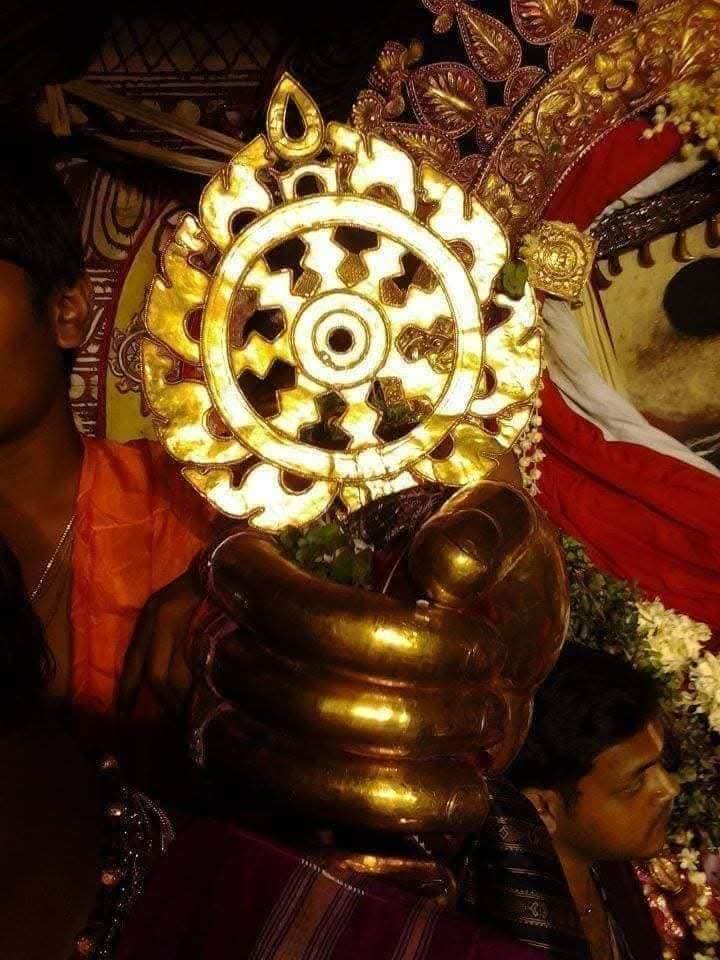
In Srimandir Puri, the celebration of the day is with deep rituals and divine procession. After the midday rituals, Lord Madan Mohan is taken to the Singhasan by Mahajan sevayats. On the acceptance of Lord Jagannath’s sacred command garland, Madan Mohan initiates the Ekadashi Bedha Parikrama inside the temple complex. A golden Sudarshan Chakra worshiped as Chakra Narayan is then taken in ceremonial procession in front of the deity. Dressed in golden robes, the Chakra is laid on a palanquin and carried in procession, borne on the shoulders of the Viman Badu sevayats, to the Shri Nahara outside the Lion Gate.
There, after ritual and offerings, the Chakra tours the four ancient ashrams of Puri, Markandeya, Angira, Bhrigu, and Kandu. At each, there are offerings and prayers presented before the sacred Chakra is carried back to the sanctum, marking the completion of the city-wide parikrama. This glorious and infrequent outing of the golden Chakra is only once a year, so Kamika Ekadashi is not just a day of penance but also one of divine joy. It is during these holy pilgrimages that the unseeable threads between heaven and earth appear to be pulled taut, consecrating the land and its inhabitants with spiritual riches.
Kamika Ekadashi is thus the hope of the penitent, a road leading to union with the divine, and a promise that even the most terrible transgressions can be cleansed by true devotion and unwavering faith.
